
I’m super excited about my new series which follows the volunteers working at Threlkeld Quarry & Mining Museum. Threlkeld Quarry originally opened in 1870 to supply railway ballast to the Penrith-Keswick line. The granite quarry finally closed in 1982 and is now the site for the Threlkeld Quarry & Mining Museum which is operated by staff and volunteers.Please watch the trailer below.
EPISODE ONE follows the volunteers as they prepare to show case their diggers and Richard tells us all about his rare 54RV
EPISODE TWO In episode two you hear the awesome 54RV power up and boy does she sound great. Richard shows us more of his machinery and vehicles including his rare Austin K2 he is restoring.
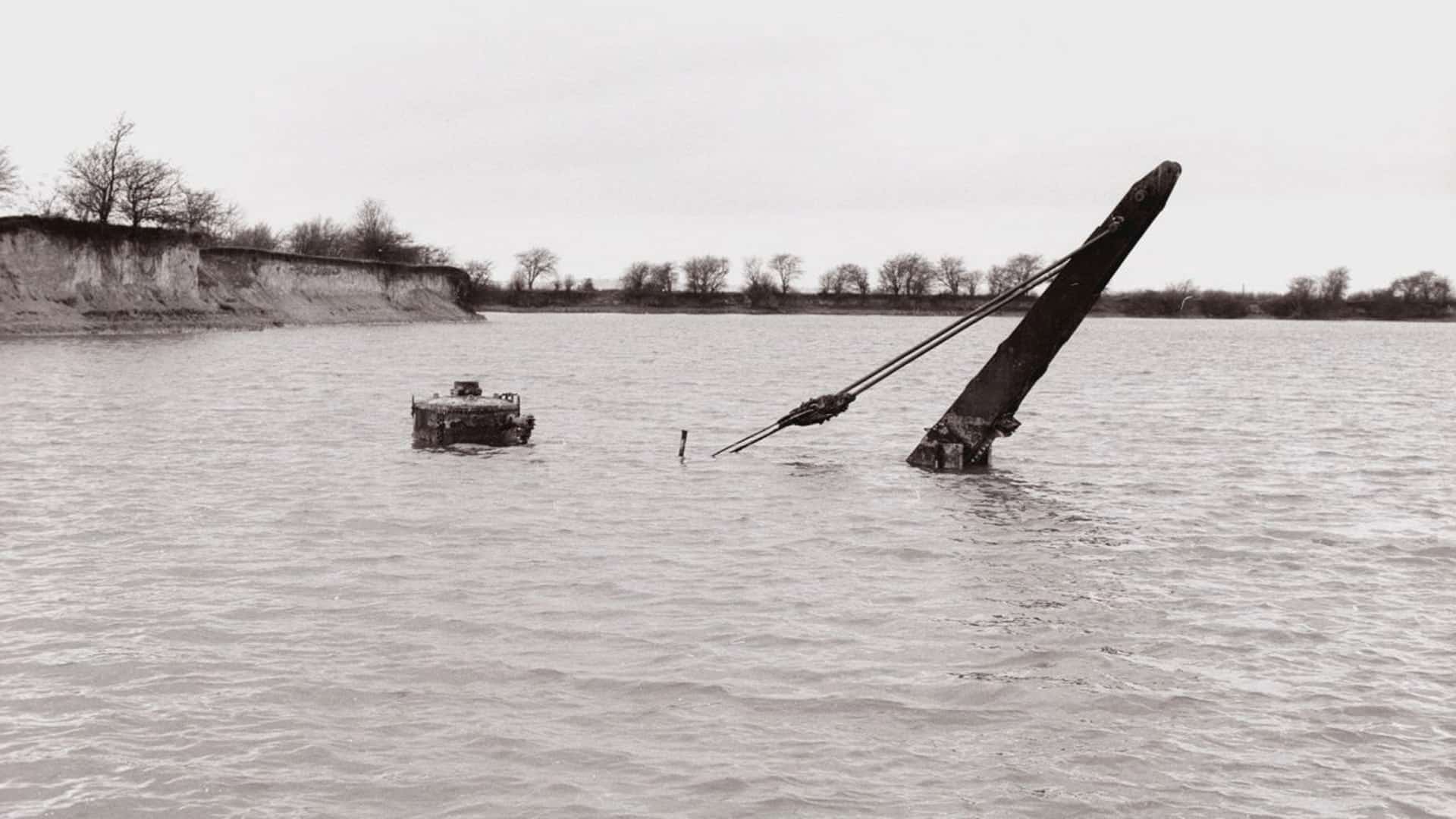
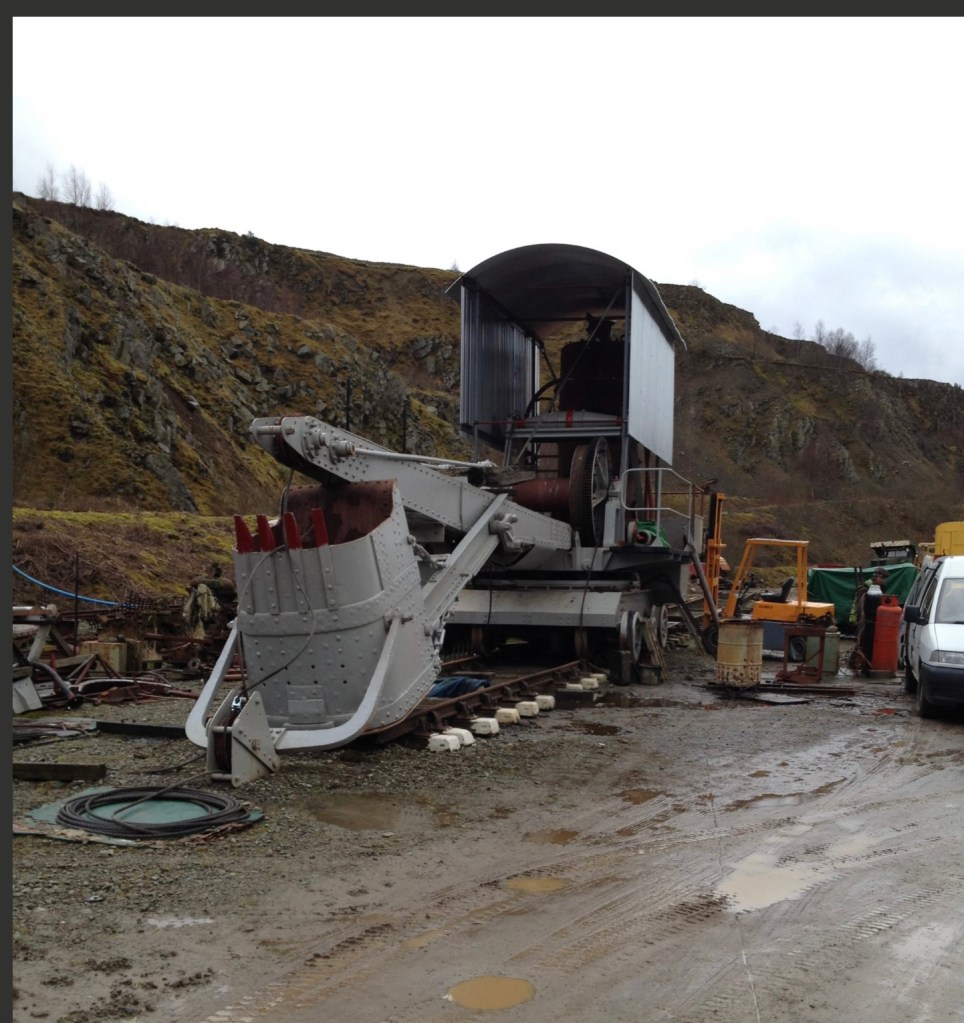
EPISODE THREE covers the story about the steam digger that was brought up from the deep . Ray Hooley organised volunteers to recover it from the flooded sand quarry where it had been left to rot. Apprentices at Ruston Proctor Lincoln works initially renovated it, then it was unused until transported to the Vintage Excavator Trust at Threlkeld Quarry where it was again extensively renovated.
It was sunk in a hole at Arlesley, at high water level the digger was submerged, but when the water level dropped then the jib appeared, Ray Hooley recognised the jib boom as belonging to a rare steam excavator and he was an enthusiast and expert in the excavators that were made at the Ruston Proctor works in Lincoln. Realising that there was recovery potential he and lots of volunteers recovered the crane it now stands at Threlkeld quality, with a Hooley name plate taking pride of place on it ❤️
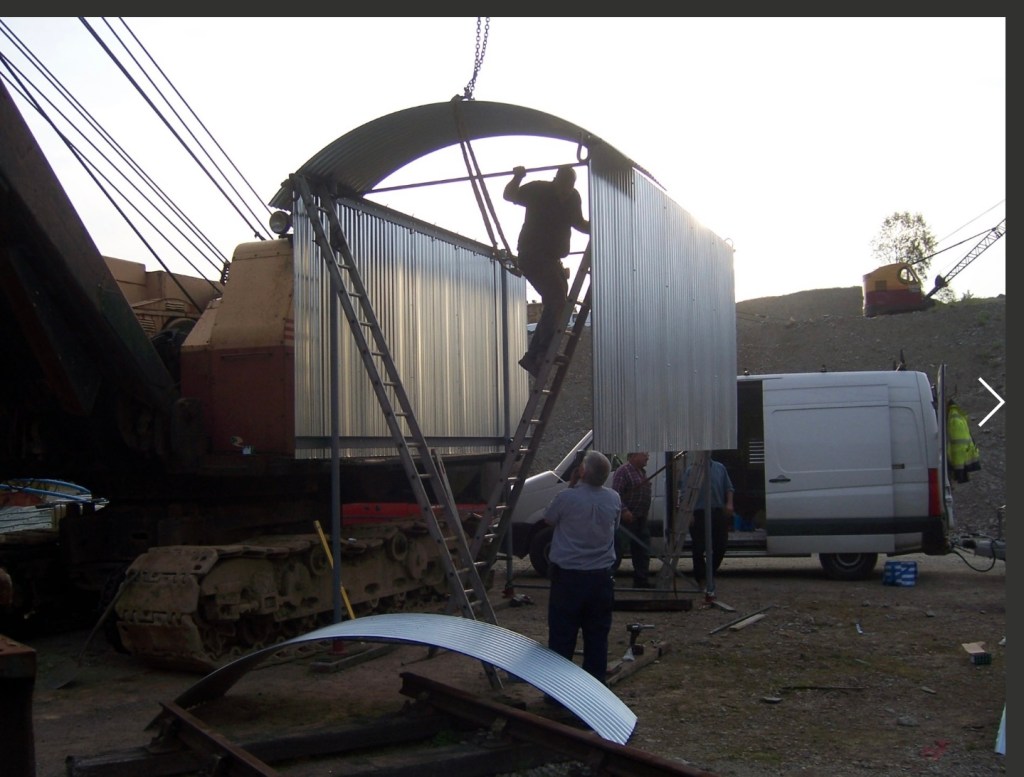
After its restoration it was stored at Lincoln Museum outside where weather and lack of use degraded it. So Threlkeld based Vintage Excavator Trust restored it to the original working state with Heritage Lottery funding. It can be seen on working weekends at Threlkeld Quarry, Cumbria.
Ray has been honoured with a lifetime achievement award by the National Transport Trust.

Ray Hooley, who is now 95, was responsible for salvaging a 48-ton steam navvy, built in Lincoln by Ruston, Proctor and Co in 1909 from a watery grave.
The 48,000kg machine was built in Lincoln in 1909 by Ruston, Proctor & Co, and in October 1977 it was hauled out of the Blue Lagoon – after 18 months of planning.
Ray got the help of various companies and manpower to lift the Ruston out of the water, and it has since returned to action thanks to Heritage Lottery funding – making it officially the world’s oldest working steam excavator.
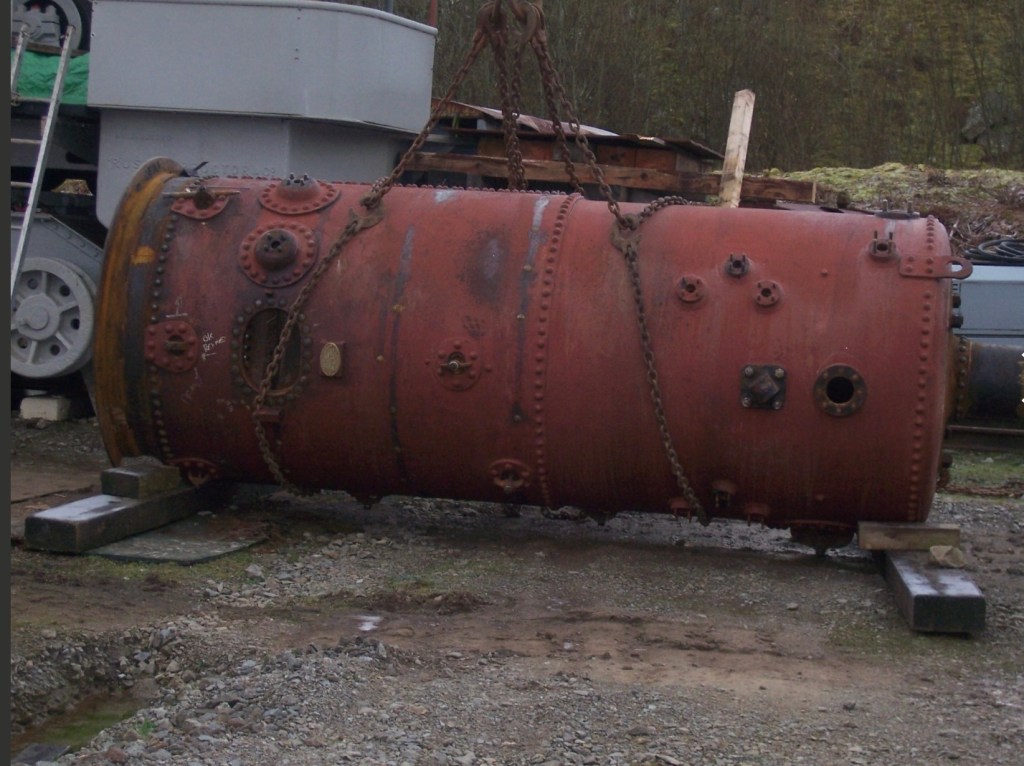
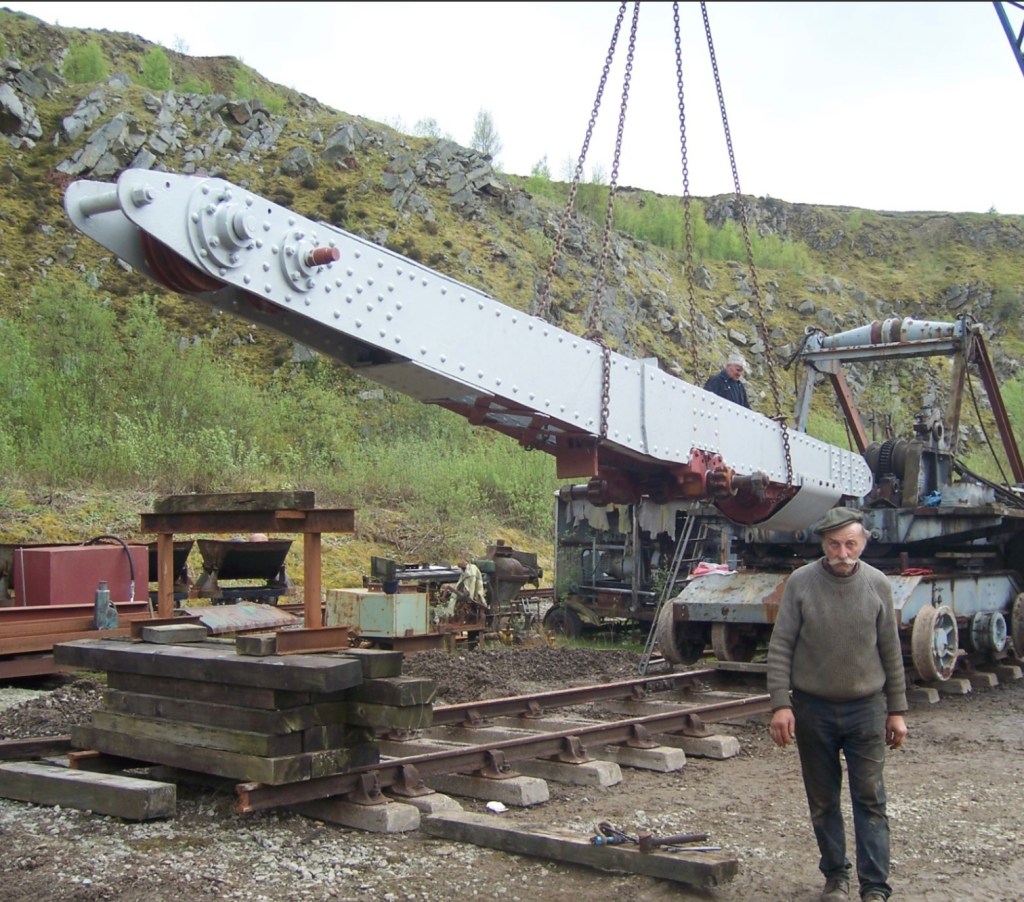
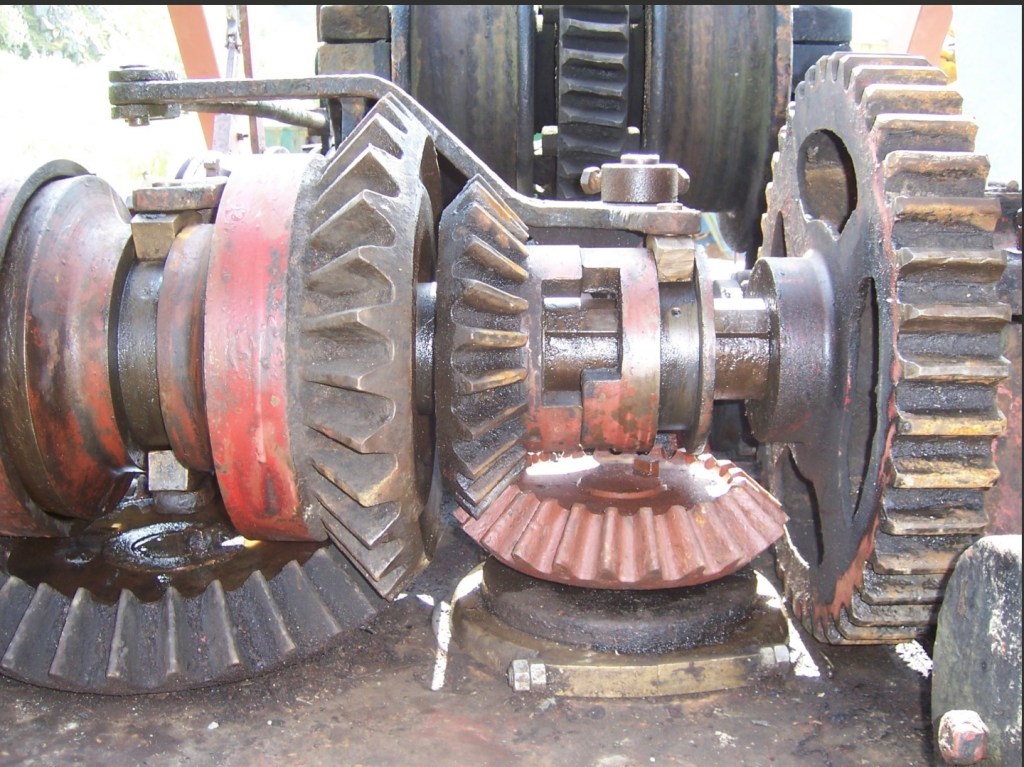
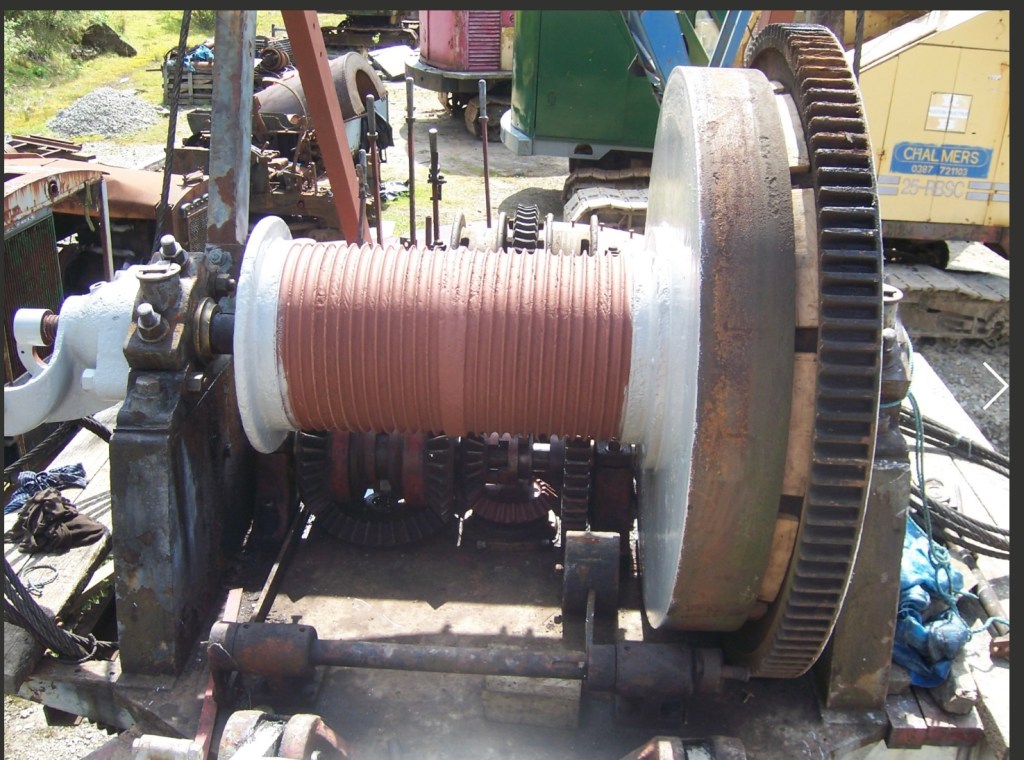
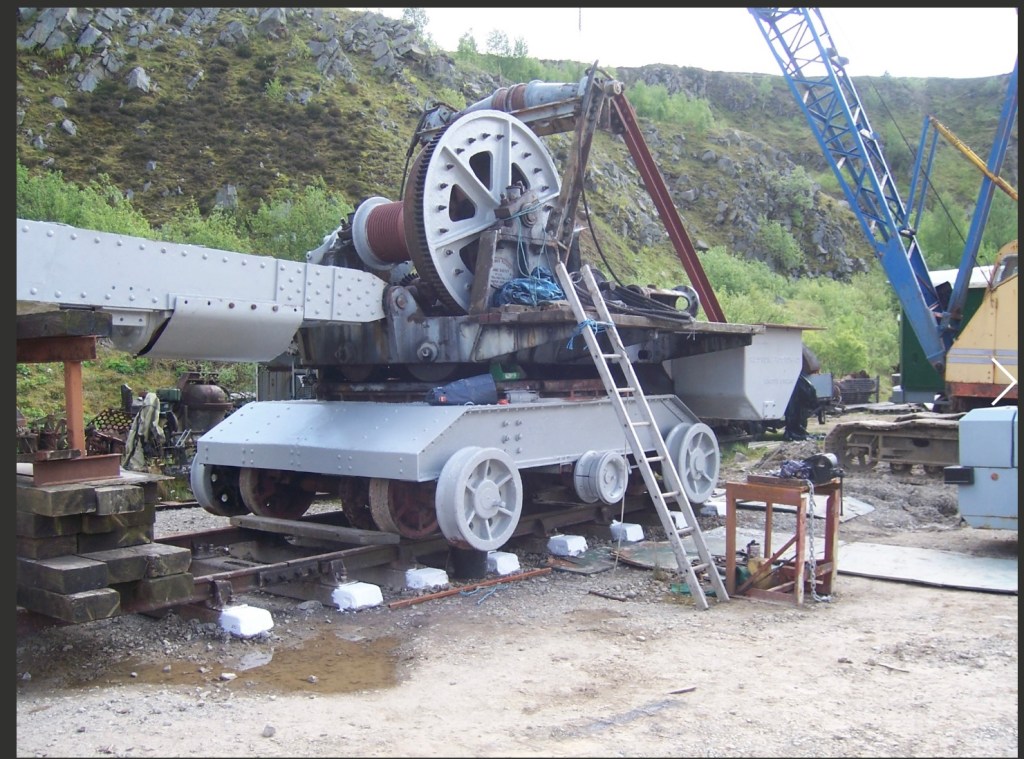
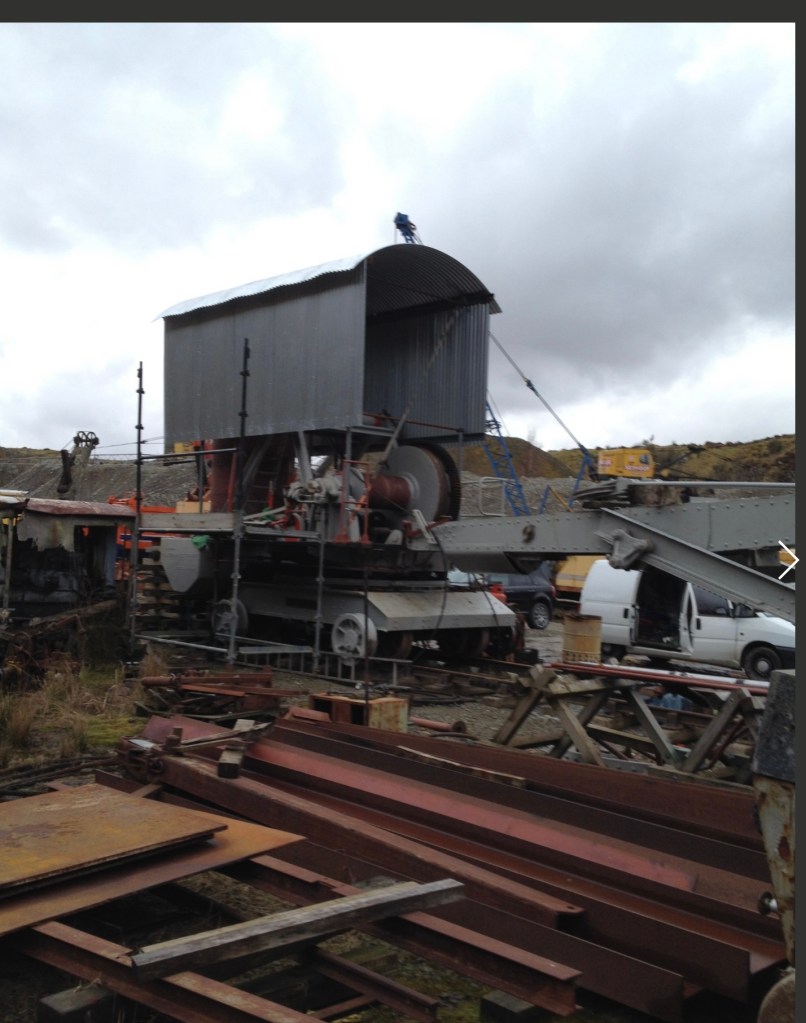
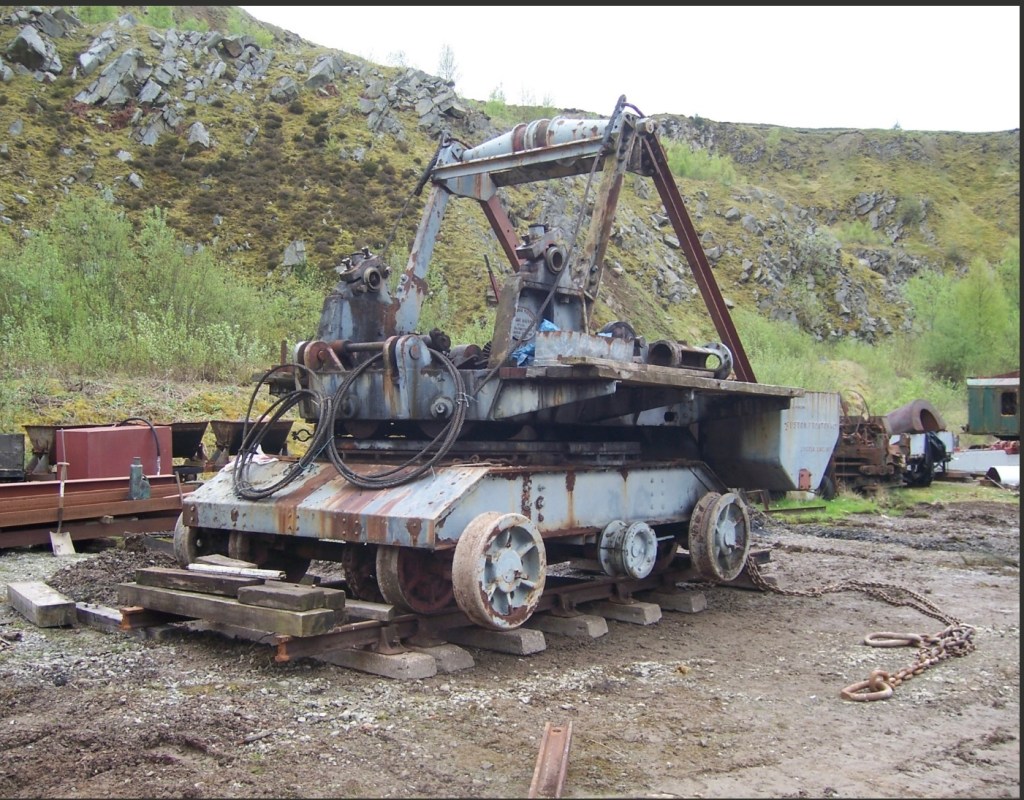
A gallery of pictures of the restoration of the navy




EPISODE FOUR
OMG I drove a crane 😱😱😱😱😱😱😱
 Matilda River Walden :::::::: Youtuber